
Can Sleep Make You Feel Younger?
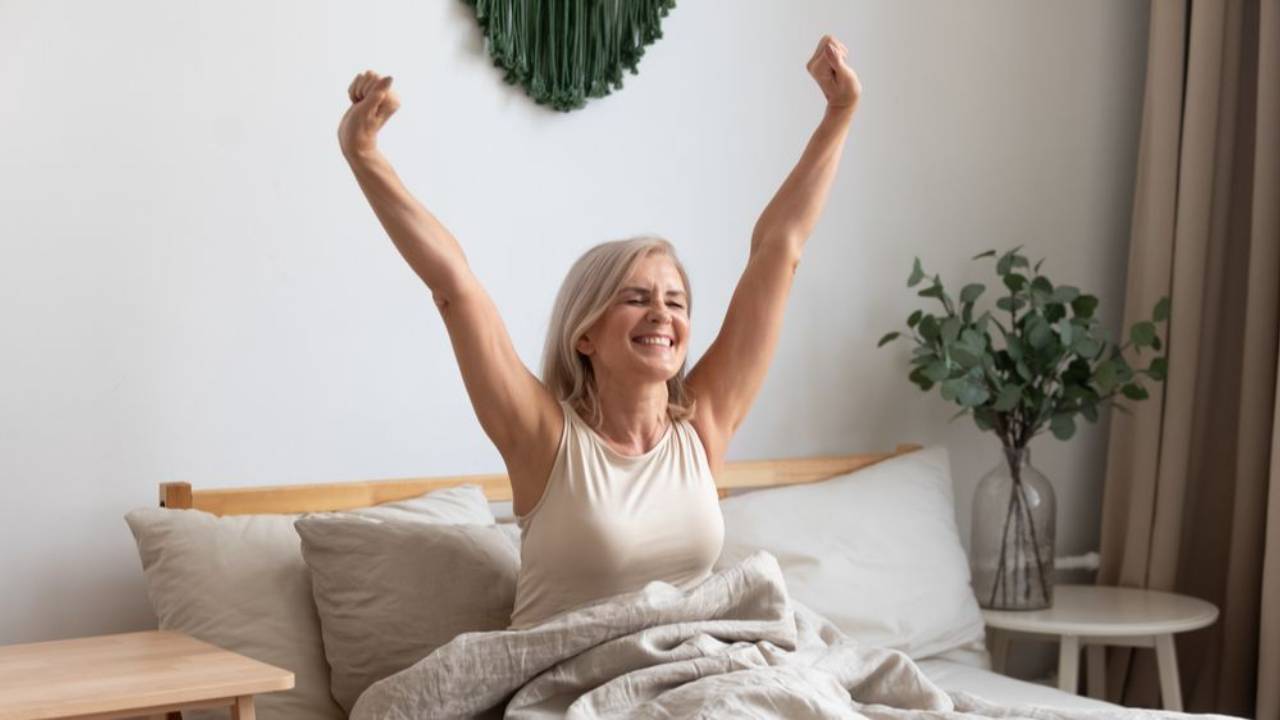
I can hardly believe its already August! Some parts of this summer seem to be flying by, while other moments feel like they've slowed right down. As I've mentioned before, I'm currently undergoing treatment for my knees, which means I'm spending a lot more time off my feet than usual. While I'm optimistic about the results, I'm also focusing on the daily habits that help support healing and recovery.
One habit has risen to the top of the list: Sleep.
We often think of sleep as something nice to have when life allows it. But the truth is, sleep is when your body and brain do some of their most important repair work. And here's something fascinating: Sleep doesn't just affect how you feel today - it may influence how quickly you age.
What the Research Says About Sleep and Aging
Most people know that poor sleep can leave them feeling tired and maybe a bit crabby. But researchers are discovering that the effects go much deeper. One study found that people who consistently slept poorly had brains that appeared about a year older than their chronological age. The poorer the sleep quality, the older the brain looked.
Even more surprising? The effects can show up quickly. After just two nights of getting only four hours of sleep, study participants reported feeling more than four years older. Researchers also found that the difference between feeling alert and feeling extremely sleepy was associated with feeling as much as ten years older. That's a pretty powerful reminder that sleep affects more than just our energy levels.
What's Happening Behind the Scenes?
Part of the answer lies in something called telomeres. Telomeres are protective caps on the ends of our chromosomes. They play an important role in biological aging, and shorter telomeres are associated with a variety of age-related health concerns. And, you guessed it - poor sleep equals shorter telomeres. Inadequate sleep can also contribute to the accumulation of aging cells that promote inflammation throughout the body.
It's Not Just About How Long You Sleep
Many people focus exclusively on the number of hours they sleep each night. While sleep duration certainly matters, researchers are finding that sleep consistency may matter even more. In a study involving more than 60,000 adults, sleep regularity (going to bed and waking up at roughly the same time every day) was a stronger predictor of longevity than total sleep duration. The most consistent sleepers had a 20–40% lower risk of death compared to those with irregular sleep schedules.
Simple Ways to Improve Your Sleep
If your sleep could use some attention, there are some simple things you can do tonight to help:
- Set a consistent bedtime and wake-up time (even on weekends).
- Create a relaxing wind-down routine before bed.
- Keep your bedroom cool, dark, and quiet.
- Limit exposure to bright light and screens in the evening.
- Avoid alcohol before bed. While it may help you fall asleep faster, it can disrupt sleep quality later in the night.
Small changes, repeated consistently, often produce the biggest results.
The Most Underrated Anti-Aging Tool
When people think about aging well, they often focus on exercise, nutrition, supplements, skincare, or the latest wellness trend. Those things can certainly help, but sleep may be the foundation that makes everything else work better!
Your workouts improve. Cravings become easier to manage. Stress feels more manageable. Recovery happens faster. Energy improves. Decision-making gets easier.
Sleep supports all of it. And the best part? It's free!
- www.sciencedaily.com/releases/2025/10/251002074014.htm
- https://royalsocietypublishing.org/doi/10.1098/rspb.2024.0171
- https://link.springer.com/article/10.1007/s11357-025-01592-y
- https://academic.oup.com/sleep/article/47/1/zsad253/7280269
Stay connected with news and updates!
Join my mailing list to receive the latest news and updates and get my new Good Morning, Good Night Ritual Guide.
Don't worry, your information will not be shared.
Author

Crystal Obregon
Life Coach, Writer, and Speaker
Crystal Obregon is a Certified High Performance Coach and Integrative Health Expert. She specializes in coaching and mentoring women in their second act.
Learn the Power of Daily Rituals
When your routines come together, you'll feel less stressed, get better results, and can even reach your goals faster.
Sign-up to receive my blog/video in your inbox each week and get the free ebook Good Morning, Good Night Rituals as a free gift!
Categories
All Categories